OTL's Engagement Principles set out the guidelines for a mutually beneficial long-term relationship between a prospective land developer and Traditional Owners. They are based on the free, prior and informed consent and expect open and transparent communications and negotiations from all parties.
Content
The issue of capacity building in the remote Indigenous context is complex and challenging. To be effective, it takes time, resources and consistent, early and genuine engagement with Traditional Owners and other community members. Most development and other project proponents do not have the structures in place to make the necessary commitment to create the change they originally (and genuinely) aspire to in their planning.
To address this within the communities we partner with, OTL has developed a set of Engagement Principles to guide development proponents in their discussions and negotiations with Traditional Owners. The principles, based on the doctrine of free, prior and informed consent, set clear expectations of how proponents will engage with Traditional Owners and present their proposals. They allow for access to the necessary information to make an informed decision regarding the proposal, including the potential to engage independent experts (at the cost of the proponent) to analyse any aspects of the proposal.
Being able to partner with Traditional Owners in this way will enable early identification of opportunities and barriers to participation and capacity development. This will require proponents to build organisational structures which are focused on partnership and developing local capability.
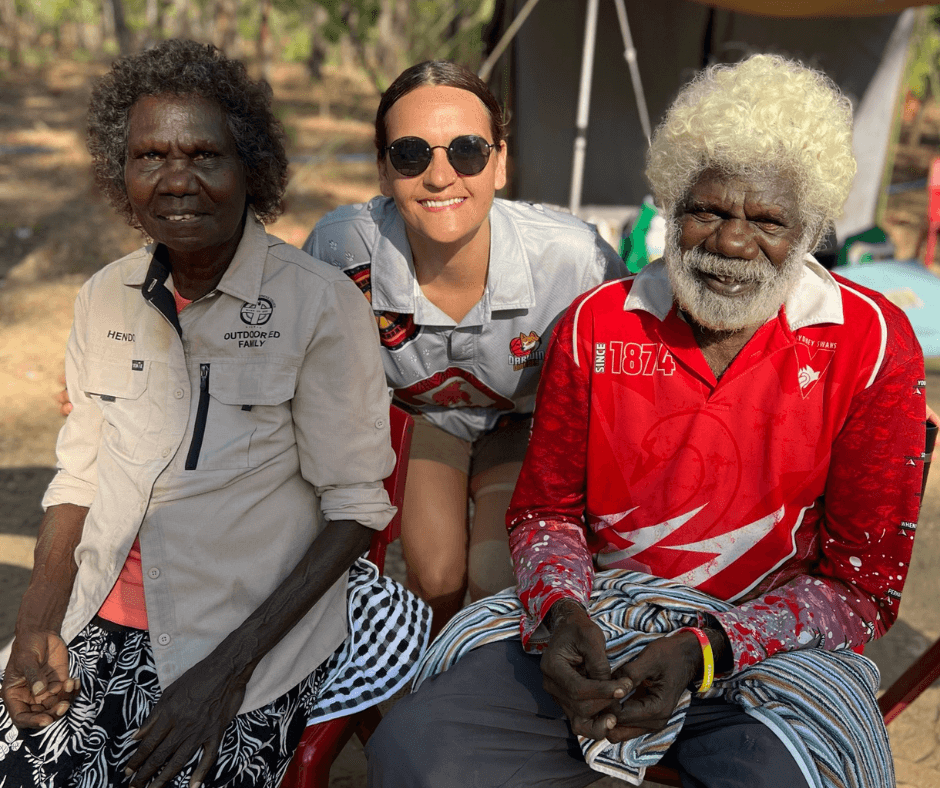
OTL Staff and TO's in Milikapiti
The aim of the Engagement Principles is to create a level playing field for First Nations people and organisations when considering development on their land. We believe that this approach will result in both better outcomes for all parties, and potentially improved approval and agreement making processes.
Commonwealth Asset Leases held by the Executive Director under s19 of the Land Rights Act, Housing Precinct Leases held by the Executive Director under s19 of the Land Rights Act
-24.1307, 134.3733
Asset Types: GEC complex, child care centre Land: Aboriginal Land
Commonwealth Asset Leases held by the Executive Director under s19 of the Land Rights Act, Housing Precinct Leases held by the Executive Director under s19 of the Land Rights Act
-22.9843, 134.9341
Asset Types: GEC complex, child care centre Land: Community Living Area
The Office of Township Leasing acknowledges Traditional Owners and their continuing connection to their ancestral lands, waters and communities. To all Traditional Custodians of Country throughout Australia we pay our respects to their Cultures, Country and Elders past, present and emerging.
The Executive Director respects Aboriginal and Torres Strait Islander communities and culture. Readers should be aware that this report contains references and images of Aboriginal and Torres Strait Islander people who have passed.